

Most plants don't have a failure problem — they have a detection problem.
Equipment failures are rarely sudden. Degradation develops gradually — often over days or weeks — through observable physical changes that occur long before a breakdown halts production. The signals are there. The gap is in recognizing them.
Hear Abnormal Sounds
Subtle changes in tone, pitch, or rhythm often signal mechanical degradation — bearing wear, misalignment, or lubrication failure — before instruments register anything.
NeuroReliability™ trains operators to:
- Distinguish normal operating sounds from early warning signals
- Identify sound pattern changes tied to specific failure modes
- Report auditory anomalies with precision and confidence
See Condition Changes
Visual cues — leaks, residue buildup, surface wear, color changes — frequently appear well before equipment performance degrades measurably.
NeuroReliability™ trains operators to:
-Identify visual indicators of developing problems
-Connect visible changes to underlying equipment conditions
-Act on visual signals before they escalate to failures
Feel Vibration & Notice Performance Shifts
Physical feedback through handles, panels, and floors reveals imbalance, looseness, or misalignment that instruments may not yet flag. Output inconsistencies — rate changes, quality drift, cycle time variation — signal developing issues.
NeuroReliability™ trains operators to:
-Recognize tactile signals from equipment degradation
-Connect performance variation to root causes
-Intervene before issues escalate into failures
Why NeuroReliability™ Works
Losses occur not because machines fail — but because developing problems aren't recognized early enough to act. The failure isn't mechanical. It's perceptual.
Attention Encoding
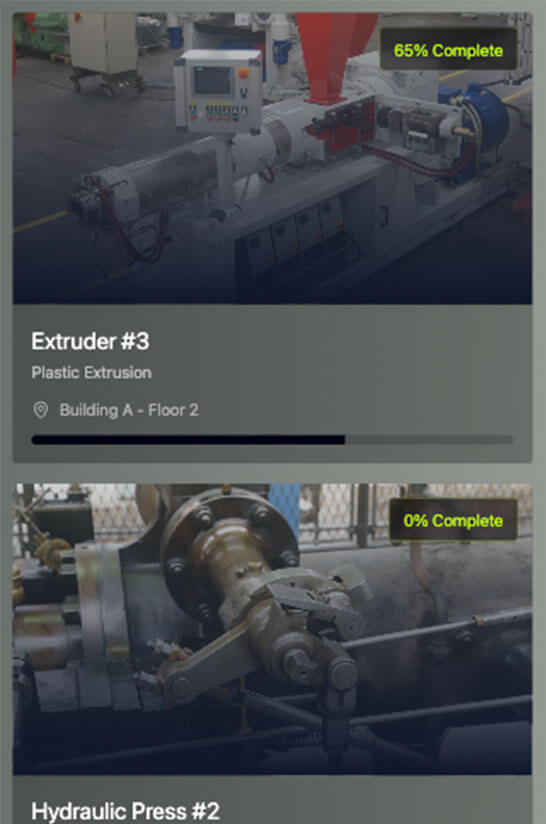
The brain learns what it pays attention to. NeuroReliability™ breaks tasks into clear visual steps, highlights risk and decision points, and uses real equipment imagery to focus operator attention on early warning signals.

Memory Consolidation
Repetition builds durable memory. Spaced repetition, gamified rewards, and consistent module structure strengthen retention so operators recall critical signals under pressure.
Retrieval Strengthening
True capability shows when the brain recalls under pressure or fatigue. Scenario-based questions and step-by-step reinforcement tied to real machines improve recall when it matters most.
Neuro Builds Operator Detection Capability
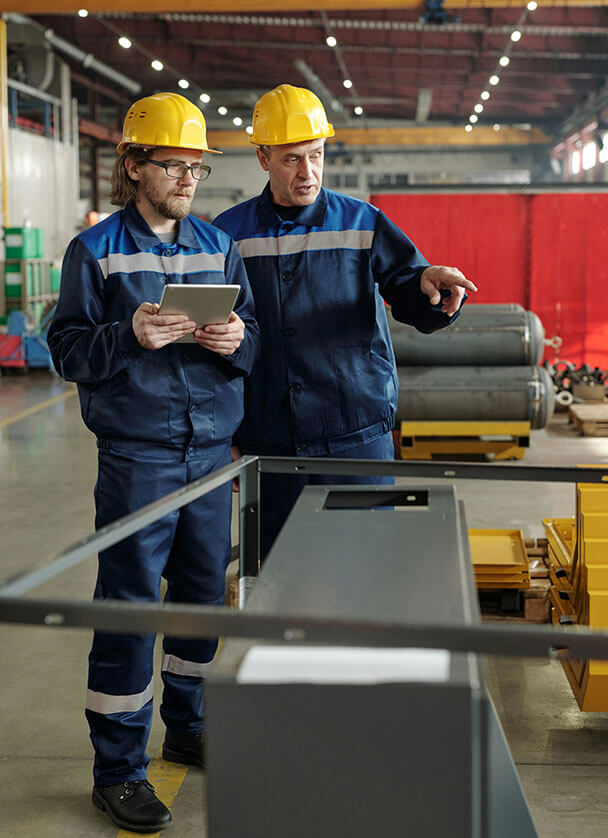
Three interconnected layers of frontline skill, moving workers from passive machine users to active reliability contributors who recognize, interpret, and respond to equipment signals in real time.

Not training software — a reliability capability system built from 30 years of frontline operational experience.
- Behavioral skill development — workers learn how to interpret real machine signals, not just pass a quiz.
- Early detection capability — issues are identified before failure occurs, not after the alarm sounds.
- Plant-specific expertise — training reflects actual equipment, not generic theory.
- Scalable methodology — proven practices are delivered consistently across the entire workforce.
Start with a pilot — prove value fast.
Begin with a structured, low-lift validation phase that delivers real results. Measurable operational indicators — signal reporting, maintenance lead time, reactive work frequency — begin shifting within 30 days.
-
Track capability gaps
-
Improve safety, quality, and reliability